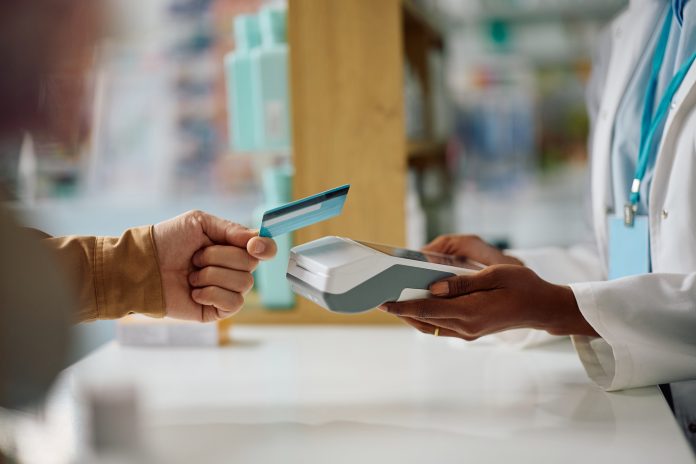
The buy vs rent question is one of the first decisions small businesses face when choosing a card reader — and how providers frame it can make it harder than it needs to be. “Free terminal” sounds appealing until you realise it comes with an 18-month contract. “Buy outright” sounds expensive until you see the hardware starts at £19.
This guide works through the real costs so you can make the call for your specific situation.
Buying outright: what it means in practice
Buying a card reader means paying a one-off fee for the hardware. You own the device. If you stop trading, you stop paying. No contract to exit, no cancellation fee, no monthly commitment.
The main buy-outright options in the UK:
- Square Reader 2: £19 + VAT
- SumUp Solo Lite: £25 + VAT
- myPOS Go 2: £29
- Barclaycard Smartpay Anywhere: £29 + VAT
- Zettle Reader 2: £29 + VAT
- SumUp Solo: £79 + VAT
- Square Terminal: £149 + VAT
With these, you pay a higher per-transaction fee in exchange for owning the hardware outright and having no ongoing commitment. Square charges 1.75%, SumUp charges 1.69%, Barclaycard charges 1.6%.
Renting: what it means in practice
Renting means paying a monthly fee for a terminal, usually through a 12–18 month contract. The monthly rental covers hardware, maintenance, and usually replacement if the device fails.
The main rental options in the UK:
- Worldpay Simplicity: from £17.50/month, 1.5% per transaction, 18-month contract
- Dojo Go: from ~£20–30/month, from 1.4% + 5p, 12-month contract
- Takepayments: tailored pricing, typically from £25/month, 12-month contract
- Tyl by NatWest: from £9.99/month on some plans
With rental, you pay a lower transaction rate and sometimes get more capable hardware in exchange for the ongoing commitment.
The cost comparison
The question isn’t which is cheaper upfront — rental hardware is usually free or subsidised. The question is which costs less over the full contract period, including all fees.
At £2,000/month card sales over 12 months:
Buying (Square Reader 2, 1.75%):
- Hardware: £22.80 (inc. VAT)
- Transaction fees: £420
- Total: £442.80
Renting (Worldpay Simplicity, £17.50/month, 1.5%):
- Hardware: £0 upfront
- Monthly rental: £210
- Transaction fees: £360
- Total: £570
At £2,000/month, buying outright is cheaper by about £127 over the year.
At £10,000/month card sales over 12 months:
Buying (Square Reader 2, 1.75%):
- Hardware: £22.80
- Transaction fees: £2,100
- Total: £2,122.80
Buying with subscription (SumUp Payments Plus: £25 hardware + £19/month + 0.99%):
- Hardware: £30 (inc. VAT)
- Subscription: £228
- Transaction fees: £1,188
- Total: £1,446
Renting (Worldpay Simplicity):
- Monthly rental: £210
- Transaction fees: £1,800
- Total: £2,010
Renting (Dojo, estimated):
- Monthly fee: £300
- Transaction fees: £1,680
- Total: £1,980
At £10,000/month, SumUp Payments Plus (owned hardware plus subscription) comes out cheapest at around £1,446/year — well ahead of both rental options. Standard buy-outright Square is the most expensive at this volume.
The pattern is consistent across the numbers: subscription plans on owned hardware often beat rental at mid-to-high volume, without the contract risk. Rental’s main practical advantage is hardware quality and maintenance coverage — not transaction cost.
The contract risk factor
Every rental arrangement comes with a contract, and contracts have exit costs. Worldpay’s early termination charges can be substantial — effectively paying out the remaining months of the agreement. Dojo and Takepayments have similar structures.
If your business changes in year one — you pivot, you close, you find a better provider — exiting costs money. For a new business that isn’t certain of its trajectory, that risk is hard to price but real.
The hardware quality factor
Rental terminals are often more capable devices than entry-level buy-outright readers. A rented Worldpay or Takepayments terminal typically has a larger touchscreen, a built-in receipt printer, and 4G connectivity. A £19 Square Reader is a small Bluetooth dongle that depends on your phone.
That gap matters for some businesses. A busy retail counter or restaurant benefits from a proper standalone terminal. The Square Terminal (£149 + VAT to buy outright) or a rented Takepayments Plus suit this better than an entry reader.
But consider the break-even: if you’d pay £149 to buy a Square Terminal outright and get equivalent hardware to what’s being rented at £25/month, the owned hardware breaks even in about six months. From month seven onwards, you’re ahead.
Tax treatment
Rented card machine costs are a business operating expense — fully deductible against income tax or corporation tax in the year they’re paid.
Purchased hardware is a capital expense. Under the Annual Investment Allowance (AIA), small businesses can typically deduct the full cost in the year of purchase. At £19–£149, the amounts are small enough that the tax treatment rarely influences the decision.
Who should buy outright
Buying outright is usually right if you’re starting out and want to test whether card payments are worth the complexity. If your monthly card volume is below about £5,000. If your trade is seasonal or variable — you don’t want to pay in quiet months. If you’re uncertain about the provider and want the freedom to switch. If you need payments working today without a sales call and a week of setup.
Who should consider renting
Renting might make sense if you need a full countertop terminal with a receipt printer and your monthly volume justifies the cost. If your card turnover is consistently above £5,000–10,000 and negotiated rates reduce your fees below what any subscription plan can offer. If hardware replacement and support terms matter for your operation.
Worth noting: for most businesses at most volume levels, a subscription plan on owned hardware (SumUp Payments Plus, Square paid plans) comes out cheaper than rental once you run the full numbers.
Our pick
For most small businesses, especially those starting out: buy outright. Start with Square Reader 2 (£19 + VAT) or SumUp Solo Lite (£25 + VAT). Move to a subscription plan once you’re consistently above £3,000–3,500/month in card sales. Revisit contracted rates once you’re above £10,000/month and the fee savings outweigh the contract risk.
See our [no-contract card readers guide →], our card reader fees guide, and our best card readers for small businesses for more detail.
GoSmallBusiness is reader-supported. We may earn a commission if you sign up through links in this article, at no extra cost to you.