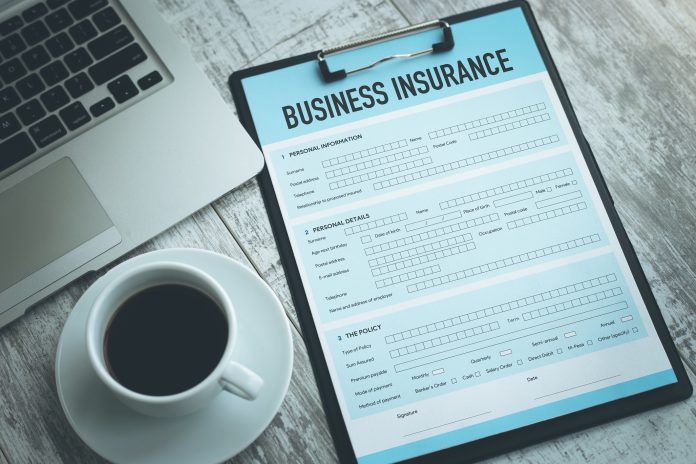
If you’re running your business as a sole trader, it’s worth looking at taking out insurance policies to protect your business in case you have a claim from a customer or member of the public. To help reduce your business risks you can take out different types of insurance policy depending on your business and who you normally work with. For example, public liability insurance helps protect against customer injuries or accidents, whilst professional indemnity insurance is designed for claims resulting from issues in the service you provide, for example if you’re an accountant or surveyor. Though not legally required, these different insurance policies for sole traders help provide cover for both you personally and your business.
Insurance basics for new sole traders
As a sole trader, you are the business. Your personal and professional finances are intertwined, which means business risks can directly impact your personal assets. Insurance serves as a critical safety net, protecting you from unexpected financial burdens that could otherwise lead to serious debt or even force you to close your business.
First-year insurance priorities
During your first year, it’s worth prioritising these types of insurance policy:
- Public Liability Insurance – Protects against claims if you cause physical injury or property damage to third parties. This coverage is particularly important if you interact with clients or the public regularly.
- Professional Indemnity Insurance – Covers you against claims arising from errors or omissions in your professional services. This is especially relevant if you provide advice or services such as copywriting or design.
- Tax Enquiry Insurance – Provides professional support if HMRC investigates your business. This can be invaluable for new sole traders still navigating tax requirements.
Many first-year sole traders fall into two categories: those who purchase insurance because clients require it, and those who recognise the risks and want peace of mind. For the former group, it’s worth noting that many large corporations and local authorities expect contractors to have Professional Indemnity and Public Liability insurance as standard contract requirements.
Minimum coverage
The minimum coverage you need depends on several factors, including your type of business, any customer requirements, and risk exposure. However, there are some baseline recommendations:
For Public Liability Insurance, coverage of £1-5 million is common. Many local authorities require a minimum of £5 million before awarding contracts. Consider the value of your largest contract when determining coverage levels – the larger the contract, the more important adequate coverage becomes.
Professional Indemnity Insurance requirements vary by industry, but minimum coverage of £50,000-£100,000 is a starting point for many small businesses. If you belong to a professional body, they may specify minimum coverage requirements.
Employers’ liability is not necessary if you’re a sole trader but if you decide to take hire even one employee, Employers’ Liability Insurance becomes a legal requirement with a minimum coverage of £5 million, although UK insurers typically offer £10 million as standard. The Health and Safety Executive can fine you £2,500 for every day you operate without this coverage.
Additional coverage worth considering includes:
- Contents Insurance if you have expensive equipment or stock
- Business Interruption Insurance for protection against events that force you to stop trading temporarily
- Business Vehicle Insurance if you use your car for work purposes (a legal requirement)
Remember that being underinsured can be nearly as problematic as having no insurance. As one insurance provider notes, “Opting for the lowest level of cover to cut costs is never the ideal choice”. Indeed, weighing the cost of premiums against potential claim expenses typically shows that insurance is the more economical option.
Building client trust
Beyond protection against financial losses, proper insurance coverage serves as a powerful tool for building trust with your clients. Many businesses discover that having comprehensive insurance creates a foundation for stronger client relationships and business growth.
How insurance enhances your professional credibility
Insurance demonstrates professionalism and reliability to potential clients. In fact, contracts with clients often stipulate minimum levels of insurance cover, particularly when working with large corporate organisations or local authorities. Having appropriate coverage positions you as a prepared business owner who takes responsibilities seriously.
Insurance functions as more than just financial protection—it provides a sense of security for both you and your clients. As one provider notes, “Insurance for sole traders can be a safety net. It can catch you before you go under because someone sues you”. This preparation signals to clients that you’ve thought through potential risks and have measures in place to handle them professionally.
Using insurance as a competitive advantage
You might think of insurance as a cost but you can use it to create significant competitive advantages. Insurance helps sole traders secure contracts that would otherwise be unavailable, as many local authorities and larger corporations require public liability insurance and professional indemnity as standard prerequisites.
Insurance can function as a business partner rather than simply delivering a protection product. The right coverage enables expansion into new markets where you might have limited experience, using the knowledge and expertise of your insurer to avoid risks and maximise opportunities.
For sole traders weighing costs, alternative risk funding strategies can reduce premiums and potentially create equity returns of up to 40% of insurance costs annually. These returns can fund capital expenditures or team growth, helping you penetrate markets more effectively each year.
Explain your cover to potential customers
Effective communication about your insurance coverage builds trust and can become a selling point. The quality of communications impacts customer engagement and retention. When discussing your insurance with clients, try and mention your coverage early in client conversations to establish credibility, explain specific protections relevant to your client’s project or industry and share how your insurance protects both your business and their interests.
As regulations require, ensure communications are “clear and accurate, comprehensible to the client”. By personalising every touchpoint with clients and communicating frequently and transparently, you strengthen relationships, improve engagement, and increase referrals.
Communicating your insurance coverage properly demonstrates a customer-first approach that allows you to gain client trust and loyalty. This becomes even more valuable in today’s digital environment where in-person interactions may be limited, making proactive communication about your business protections an effective way to maintain meaningful client engagement.
What insurance do you need as a sole trader?
Your business sector often determines specific insurance needs beyond the basic coverage. Insurance requirements vary considerably across industries as each faces unique risks and client expectations.
Retail and e-commerce insurance requirements
Online and physical retailers face distinct risks related to products and customer interactions. For e-commerce businesses, insurance policies should address both digital and physical exposures.
Product liability insurance is typically included within public liability policies and protects against claims if something you sell harms someone or damages their property. This becomes increasingly important as your customer base grows.
Stock insurance offers critical protection for retail businesses. Many contents insurance policies include a 30% seasonal increase in cover between November and December (or at your business’s busiest period), recognising when inventory levels typically peak.
If you ship products, consider goods in transit insurance to protect items during delivery. This coverage safeguards against losses whether products are on the road or in the post.
Many small businesses sell through third-party platforms like Etsy, eBay, or Amazon. Whilst these marketplaces don’t legally require you to have insurance, operating without coverage means you’re solely responsible for any claims arising from damaged goods or customer injuries.
Service-based business protection
Service providers face different risks compared to product sellers, primarily around the advice and expertise they offer.
Professional indemnity (PI) insurance becomes central for service businesses. This covers you if clients claim your advice resulted in negative consequences—perhaps through disclosing confidential information or damaging their reputation.
For contractors working with government bodies or councils, contractual PI limits are often stipulated as entry requirements for securing work. Many authorities specifically require both public liability and professional indemnity as standard prerequisites.
If your service involves handling sensitive data or intellectual property, consider specific coverage addressing these exposures. Businesses working with client data should explore cyber insurance options, which help fund investigations and recovery after breaches.
Creative and consulting professional coverage
Creative professionals face unique exposures related to both their advice and physical equipment.
Professional indemnity insurance helps advertising agencies, consultants, and creatives address risks from providing services and advice. It can assist freelance digital professionals accused of negligence with legal fees and client compensation.
For creatives, this coverage extends to industry-specific risks like breaching advertising regulations or rectifying costs for out-of-home misprints that negatively affect clients.
Equipment protection is another priority. Specialist tools of your trade—cameras, lighting equipment, or design technology—can be expensive to replace if damaged or stolen. Portable equipment insurance covers accidental loss, damage (both accidental and malicious), and theft.
Depending on your business structure, you might require additional protection. Creative agencies with staff must consider employers’ liability insurance—a legal requirement that can result in fines of £2,500 per day if ignored.
Finding sector-specific insurance tailored to your business operations provides the most comprehensive protection against the particular risks you face. The right insurance not only protects your business but also demonstrates professionalism to your clients.
Responding to business growth
Business growth brings exciting opportunities but also creates new risks that your initial insurance coverage may not address. As your sole trader business evolves, your insurance needs will change accordingly, making regular reviews of your coverage a key part of business management.
When to review and increase your coverage limits
Insurance policies should never be a “set and forget” arrangement. Most experts recommend reviewing your coverage at least annually, yet certain business changes warrant immediate attention:
- When your revenue increases significantly
- After taking on larger contracts
- When your risk profile changes due to new business activities
- When acquiring expensive equipment or expanding premises
Professional indemnity cover is particularly sensitive to business growth. As one provider notes, “As a professional services firm grows, it can become a bigger monetary target for litigation”. For limited companies, insuring for at least three times fee income (minimum £500,000) is recommended, whereas sole traders should consider at least four times fee income (minimum £250,000).
Remember that claims can take years to reach settlement, so factor in inflation when reviewing limits. The policy limit in force when a claim is notified applies—not the limit when the work was performed.
Adding new policies as your business expands
Growth often requires new types of coverage to protect against emerging risks:
- Directors and Officers Insurance becomes relevant when transitioning to a limited company structure, protecting you personally against allegations of mismanagement
- Tool Insurance may be necessary as you acquire more valuable equipment, with coverage available up to £50,000
- Tax Enquiry Insurance can protect against costly HMRC investigations
- Professional Indemnity limits may need adjustment based on new clients’ requirements
Many large contracts stipulate specific insurance requirements as prerequisites. Without proper coverage, you might miss valuable growth opportunities since “some clients won’t even consider working with you unless you have a certain level of professional indemnity insurance or public liability insurance”.
Making an insurance claim
Making an insurance claim can feel daunting, yet understanding the process beforehand can significantly reduce stress when the unexpected happens. As a sole trader, knowing how to navigate insurance claims efficiently ensures you receive proper compensation with minimal business disruption.
Documentation needed for successful claims
Thorough documentation forms the backbone of successful insurance claims. Upon experiencing an incident, gather these essential items:
- Your policy number and personal/business details
- Detailed account of the incident (date, time, location)
- Photos of damage, scene, or relevant evidence
- Witness information and statements
- Crime reference number (if police were involved)
- Receipts or proof of purchase for damaged/stolen items
- Business financial records for business interruption claims
Naturally, maintaining copies of all documentation is crucial as originals may be required during the claims process. For substantial claims, consider using a loss assessor who can help prepare claims and arrange valuations.
Step-by-step claim submission process
Following a methodical approach increases your chances of claim approval:
- Check your policy details first to confirm coverage for the specific incident
- Contact your insurer as soon as possible—many policies require immediate notification
- Request or download the appropriate claim form
- Complete all paperwork thoroughly, avoiding rushed responses
- Attach all supporting documentation and evidence
- Submit the completed form online or via post (keeping copies)
- Await insurer’s assessment, which may take days or months depending on complexity
Working with insurance providers during disputes
Should your claim be rejected, several options remain available:
First, review your policy to confirm your understanding of coverage. After that, submit a formal written complaint to your insurer’s complaints department, keeping copies of all correspondence.
Insurers must respond within eight weeks. In this situation, if you remain unsatisfied with their response, you can escalate the matter to the Financial Ombudsman Service, which provides free mediation services.
Throughout disputes, maintain open communication with your insurer. Oftentimes, sharing information about proposed decisions and strategy creates a smoother resolution process and reduces the likelihood of challenges later.
Summary of sole trader insurance
Proper insurance coverage stands as a cornerstone of successful sole trader businesses in the UK. Through careful consideration of public liability, professional indemnity, and sector-specific coverage, sole traders protect both their business assets and personal finances.
Smart insurance choices help build lasting client relationships while safeguarding against unexpected challenges. Many successful sole traders view insurance not as an expense but as a strategic investment that opens doors to larger contracts and opportunities.
Lastly, regular insurance reviews ensure coverage grows alongside your business. Though navigating insurance decisions might seem complex, understanding your specific needs and maintaining appropriate coverage levels creates a strong foundation for sustainable business growth.
Remember that proper documentation and prompt action during claims significantly improve outcomes. This knowledge, combined with the right insurance coverage, allows you to focus on what matters most – growing your business with confidence.
FAQs
Q1. What types of insurance are essential for sole traders in the UK? The most important types of insurance for sole traders include Public Liability Insurance, Professional Indemnity Insurance, and Tax Enquiry Insurance. Depending on your business type, you may also need Contents Insurance, Business Interruption Insurance, and Business Vehicle Insurance.
Q2. How does insurance help build trust with clients? Insurance enhances your professional credibility, demonstrates that you take your responsibilities seriously, and provides a sense of security for both you and your clients. Many clients, especially large corporations and local authorities, require certain levels of insurance coverage before awarding contracts.
Q3. When should I review and update my insurance coverage? You should review your insurance coverage at least annually, but also when your business experiences significant changes such as increased revenue, larger contracts, new business activities, or the acquisition of expensive equipment. It’s crucial to ensure your coverage keeps pace with your business growth.
Q4. What insurance do I need if I’m hiring employees? When hiring employees, even just one, Employers’ Liability Insurance becomes a legal requirement in the UK. This insurance covers your legal responsibility for employees, protecting against injury claims and covering legal expenses and compensation.
Q5. How can I improve my chances of a successful insurance claim? To improve your chances of a successful claim, maintain thorough documentation of incidents, including photos, witness statements, and financial records. Contact your insurer promptly, complete all paperwork thoroughly, and attach all supporting evidence. If a dispute arises, communicate openly with your insurer and consider using the Financial Ombudsman Service if necessary.